
Temple Story ◆ 01
The Sacred Penance of Sage Dwaraka
A story of devotion and the self-manifested presence of Sri Venkateswara, as told in Dwaraka Tirumala’s temple tradition.
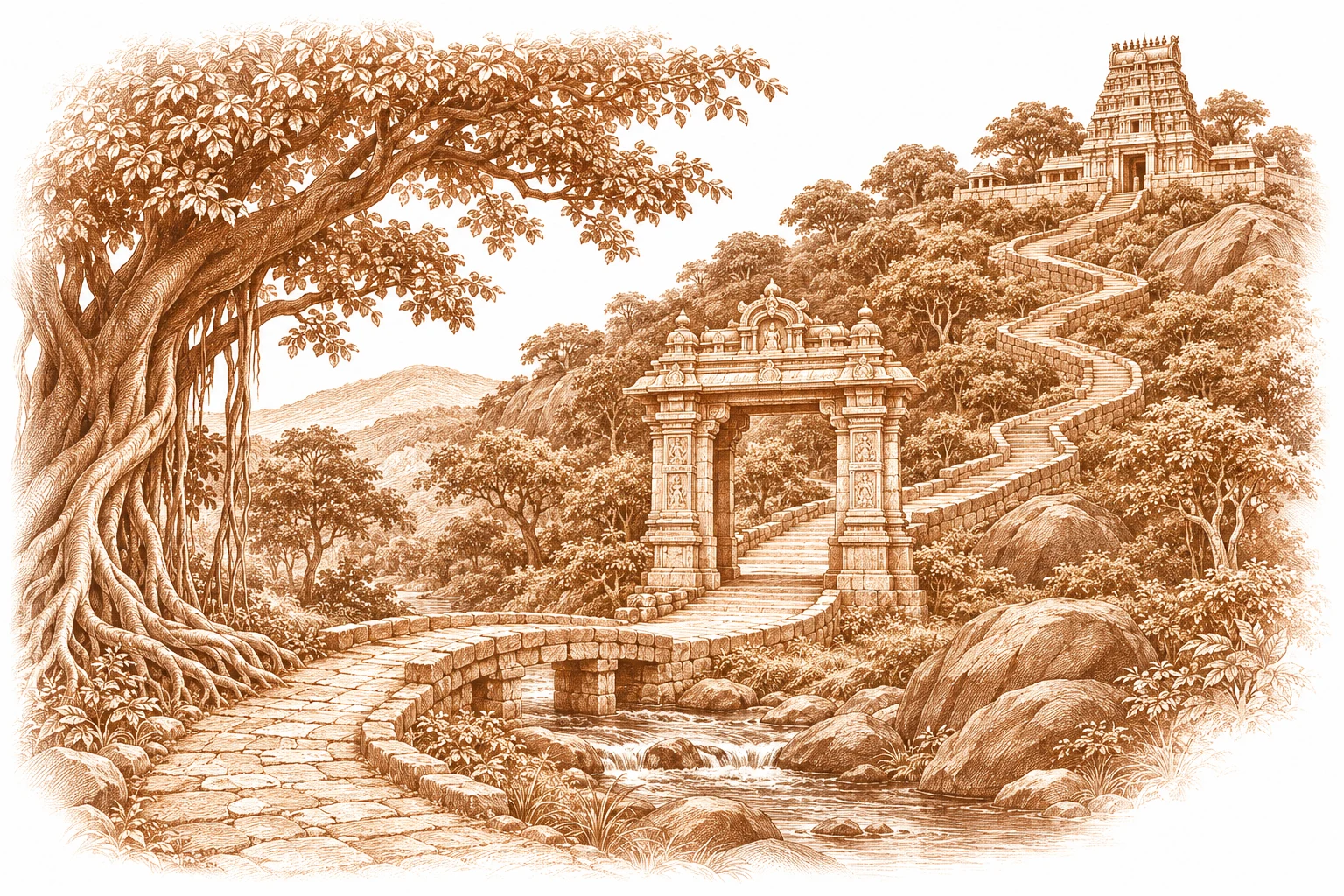
The Path to the Hilltop
Follow an imagined pilgrim’s ascent from the wooded foothills to darshan at the hilltop temple. Each landmark leads to a chapter in the story.
The Story in Seven Scenes
-
The Sacred Land
The illustrated hills set the scene for the sage’s search. The gallery shows the temple’s real gateways. See the temple photographs
Dwaraka Tirumala, also called Chinna Tirupati, is a hilltop pilgrimage centre in Andhra Pradesh.
-
The Sage’s Search
The woodland path imagines the sage’s approach to the hill. The story remembers him for the devotion that brought him there. Read Sage Dwaraka’s story
Local tradition links the hill with Sage Dwaraka, after whom the pilgrimage centre is named.
-
The Great Penance
The sage turns from the journey on foot to a period of stillness and prayer. The story’s next scene turns on what he discovers. Continue to A Divine Presence
The temple tradition tells of the sage’s intense penance in devotion to Sri Venkateswara.
-
A Divine Presence
Light in the clearing symbolizes the moment of discovery. In the next scene, the tradition places that discovery at an anthill. Continue to The Self-Manifested Form
In the devotional telling, the sage’s penance leads to the discovery of the Lord’s presence.
-
The Self-Manifested Form
The anthill connects the shrine’s origin story to the landscape. The temple tradition holds that the first image’s feet are hidden. Continue to Two Forms in One Sanctum
The sage is said to have found the swayambhu, or self-manifested image, in an anthill.
-
Two Forms in One Sanctum
The two lamps symbolize the two forms of Sri Venkateswara worshipped in the same sanctum. Read about the two murtis
A second image was installed for complete worship, including worship at the Lord’s feet. Accounts differ on who installed it.
-
The Living Tradition
The illustrated ascent ends where the living tradition begins: pilgrims approaching the temple for darshan. Explore other temple stories
Pilgrims continue to come for darshan at the shrine of Sri Venkateswara in Dwaraka Tirumala.
The illustrated ascent begins at a stone arch, winds through the woods, and climbs to the hilltop temple. See the whole ascent or view photographs of Dwaraka Tirumala.
Explore Other Temple Stories
- 02 Two forms, one divine Lord Two murtis share one sanctum. The second is a complete standing form.
- 03 The name Chinna Tirupati The affectionate name pilgrims use for Dwaraka Tirumala.
- 04 Preparing for darshan A reflection on arriving with care and attention.
- 09 A community in festival A story of devotion shared by a whole community.
Kalyanraj Divine Journeys
ద్వారకా తిరుమల గురించి 13 భక్తి కథలు. కథను ఎంచుకుని తెలుగు లేదా ఆంగ్లంలో చదవండి.
Read 13 stories of Dwaraka Tirumala. The first Telugu story is already open. Under any story title, select Telugu or English to see the full text and its source notes.
కథల జాబితా / Story index
మొత్తం 13 కథలు చూడండి / Browse all 13 stories
- ద్వారక మహర్షి తపస్సు / The Penance of Sage Dwaraka
- రెండు రూపాలు ఒకే దైవం / Two Forms, One Divine Lord
- చిన్న తిరుపతి అనే ఆప్యాయత / The Affectionate Name Chinna Tirupati
- దర్శనానికి సిద్ధమయ్యే మనసు / Preparing for Darshan
- ఆచార్యుల సేవ / Service of the Acharyas
- కనిపించని పాదాల కథలు / Traditions of the Unseen Feet
- అజ మహారాజు కథ / The Story of King Aja
- కొండ మల్లేశ్వర సన్నిధి / Konda Malleswara
- ఉత్సవంలో ఊరి భక్తి / A Community in Festival
- సేవలో భక్తి / Devotion in Service
- నామస్మరణతో ప్రయాణం / A Journey with Remembrance
- దర్శనం తర్వాత / After Darshan
- యాత్రిక దంపతులు, గరుడుని గుర్తు / The Pilgrim Couple and Garuda’s Sign
ప్రతి కథకు చిన్న తెలుగు వీడియో ఉంది. పూర్తి కథను తెలుగు లేదా ఆంగ్లంలో చదవవచ్చు.
Watch a short video with Telugu narration for each story, then read the complete story in Telugu or English.
01. ద్వారక మహర్షి తపస్సు / The Penance of Sage Dwaraka
Watch · Telugu narration
పూర్తి కథ తెలుగులో చదవండి
క్షేత్ర సంప్రదాయం
కొండపై తపస్సు
ద్వారకా తిరుమల స్థల సంప్రదాయం చెప్పే కథ ఇది. మహర్షి తపస్సు చేసిన కొండను ఒకసారి ఊహించుకుందాం.
ఆ కొండపై ఇంకా జనసంచారం మొదలుకాని వేళ. చెట్ల మధ్య నుంచి పలుచని వెలుగు నేలపై పడుతోంది. ఆకుల మీద నిలిచిన తేమ గాలికి కదిలి జారుతోంది. దూరంగా పక్షుల కిలకిలలు వినిపిస్తున్నాయి. ఆ ప్రశాంతమైన పరిసరాల్లో ద్వారక మహర్షి ధ్యానంలో కూర్చున్నారు.
ఆయన తపస్సు శ్రీ వేంకటేశ్వర స్వామివారి దర్శనం కోసం. మనసును స్వామివారిపై నిలిపి, ఆయన సన్నిధిని కోరుతూ సాధనలో నిమగ్నమయ్యారు. ఈ మహర్షి తపస్సుతోనే ద్వారకా తిరుమల ఆవిర్భావ కథ మొదలవుతుంది.
కథలో ఆ తపోవనాన్ని తలచుకుంటే, చుట్టూ కదులుతున్న ప్రకృతికి మధ్య మహర్షి నిశ్చలంగా కూర్చున్న దృశ్యం కనిపిస్తుంది. చెట్ల నీడలు నేలపై నెమ్మదిగా మారుతున్నాయి. గాలి వచ్చి వెళ్లిపోతోంది. మహర్షి ధ్యానం మాత్రం శ్రీ వేంకటేశ్వరునిపై నిలిచి ఉంది.
నేడు భక్తులు చిన్న తిరుపతిగా పిలుచుకునే ఈ క్షేత్రానికి, ఆ మహర్షి పేరే నిలిచిపోయింది. ఆయన తపస్సు, పుట్టలోని స్వామివారి రూపం, ఆ రూపాన్ని ఆయన కనుగొనడం—ఈ సంఘటనలతో క్షేత్ర వృత్తాంతం ముందుకు సాగుతుంది.
పుట్టలో స్వామివారి రూపం
క్షేత్ర సంప్రదాయం ప్రకారం, కఠోర తపస్సు తర్వాత ద్వారక మహర్షి ఒక పుట్టలో శ్రీ వేంకటేశ్వర స్వామివారి స్వయంభూ రూపాన్ని కనుగొన్నారు. ఈ కథలో పుట్ట చిన్నదే కావచ్చు. కానీ ఈ క్షేత్రం తన ఆరంభాన్ని గుర్తుచేసుకునేది ఆ పుట్ట దగ్గరే.
ఇక్కడ స్వయంభూ అనే మాటకు ప్రత్యేకమైన అర్థం ఉంది. శిల్పి చెక్కి, తరువాత ప్రతిష్ఠించిన మూర్తిగా కాకుండా, స్వయంగా వెలసిన దైవస్వరూపంగా స్వామివారిని కొలుస్తారు. పుట్టతో ముడిపడిన ఈ రూపమే ద్వారకా తిరుమల కథలో ప్రధానమైనది.
ఆ రూపంలో స్వామివారి పాదాలు బయటకు కనిపించవని ఆలయానికి సంబంధించిన వివరణలు చెబుతున్నాయి. పైభాగం దర్శనమిస్తుండగా, పాదాలు కనిపించని ఈ స్వరూపాన్నే భక్తులు స్వయంభూ మూర్తిగా ఆరాధిస్తారు. తరువాత కాలంలో ఆలయంలో మరో మూర్తి ఆరాధనలోకి వచ్చినా, మహర్షితో ముడిపడిన ఈ రూపానికి ఉన్న స్థానం అలాగే నిలిచింది.
ద్వారక మహర్షి పేరును ఈ క్షేత్రం తన పేరులో నిలుపుకుంది. ద్వారకా తిరుమల అనే పేరులో మహర్షి జ్ఞాపకం ఉంది. చిన్న తిరుపతి అనే ఆప్యాయమైన పిలుపులో శ్రీ వేంకటేశ్వర స్వామివారిపై భక్తుల అనుబంధం వినిపిస్తుంది.
మహర్షి తపస్సు నుంచి స్వామివారి రూపాన్ని కనుగొనడం వరకు చెప్పుకునే ఈ వృత్తాంతంతో పాటు, ఈ కొండకు సంబంధించిన మరో స్థానిక కథ కూడా ఉంది. అందులో శ్రీ వేంకటేశ్వరునితో పాటు మల్లేశ్వర స్వామివారి ప్రస్తావన వస్తుంది.
మల్లేశ్వరునితో ముడిపడిన స్థానిక కథ
పాత పశ్చిమ గోదావరి ఉత్సవాల సర్వేలో నమోదైన స్థానిక వృత్తాంతం ప్రకారం, ఈ ప్రాంతం ఒకప్పుడు అడవితో నిండి ఉండేది. ద్వారక మహర్షి ఉత్తర దిశగా తిరిగి కూర్చుని, శ్రీ వేంకటేశ్వర స్వామివారి దర్శనం కోసం తపస్సు చేస్తున్నారు.
అదే ప్రాంతంలో శ్రీ వేంకటేశ్వరుడు, మల్లేశ్వర స్వామి సంచరిస్తున్నారని ఆ కథ చెబుతుంది. తపస్సులో ఉన్న ద్వారక మహర్షికి శ్రీ వేంకటేశ్వరుడు దర్శనమిచ్చారు. మహర్షి కోరిక మేరకు తన పాదాలను ఆయనపై ఉంచారని ఆ వృత్తాంతం వివరిస్తుంది.
శ్రీ వేంకటేశ్వరుని కోసం కొంతసేపు ఎదురుచూసిన మల్లేశ్వర స్వామి, చివరకు ఆ కొండపైనే నిలిచిపోయారని చెబుతారు. ఆ సన్నిధిని కొండ మల్లేశ్వరునిగా పిలుస్తారని స్థానిక కథ ముగుస్తుంది.
ఇది పుట్టలో స్వయంభూ రూపాన్ని కనుగొన్న కథకు భిన్నంగా నమోదైన స్థానిక వృత్తాంతం. ఇందులో మహర్షికి లభించిన దర్శనంతో పాటు, కొండ మల్లేశ్వరుని సన్నిధికి సంబంధించిన అనుబంధం కూడా నిలిచింది.
ద్వారకా తిరుమల గురించి చెప్పుకునే కథల్లో ఇలా మహర్షి తపస్సు ఒక ప్రధానమైన ఘట్టంగా కనిపిస్తుంది. ఒక వృత్తాంతం స్వయంభూ రూపాన్ని కనుగొనడాన్ని చెబుతుంది. మరో వృత్తాంతం వేంకటేశ్వరుని దర్శనాన్ని, మల్లేశ్వరుని సన్నిధిని వివరిస్తుంది.
తపస్సు జ్ఞాపకాన్ని మోస్తున్న ఆలయం
ఆ మహర్షి పేరును మోస్తున్న ద్వారకా తిరుమల ఆలయాన్ని పాత జిల్లా సర్వేలో కూడా వర్ణించారు. కొండ కింది నుంచి పైకి మెట్లు ఉన్నాయని, ప్రధాన ప్రవేశం దగ్గర ఐదు అంతస్తుల గోపురం ఉందని ఆ సర్వే చెబుతోంది. ఆలయ ప్రాంగణంలో ఆళ్వారుల సన్నిధులనూ అది ప్రస్తావించింది.
ఈ ఆలయ నిర్మాణంలోకి ప్రవేశించి స్వామివారి సన్నిధికి చేరుకున్నప్పుడు, క్షేత్ర కథలోని ప్రత్యేకత రెండు రూపాలుగా దర్శనమిస్తుంది. ముందున్న స్వయంభూ రూపం మహర్షి తపస్సుతో ముడిపడినది. దాని వెనుక సంపూర్ణంగా నిలిచిన మరో శ్రీ వేంకటేశ్వర స్వామివారి మూర్తి ఉంటుంది.
స్వయంభూ రూపంలో కనిపించని పాదాలతో సహా స్వామివారి సంపూర్ణ రూపాన్ని ఆరాధించేందుకు రెండవ మూర్తిని ప్రతిష్ఠించారని చెబుతారు. మహర్షి కథలో మొదలైన స్వయంభూ ఆవిర్భావ వృత్తాంతం, ఇక్కడ ఆలయ ఆరాధనతో కలుస్తుంది.
పుట్ట దగ్గర మొదలైన మహర్షి కథ, స్వామివారి సన్నిధి దగ్గర ముగుస్తుంది. అక్కడ రెండో మూర్తి ఎందుకు ప్రతిష్ఠించారన్న ప్రశ్నకు సమాధానం, మొదటి మూర్తిలో కనిపించని పాదాలతో ముడిపడి ఉంది. ఆ రెండు రూపాల కథను తర్వాతి భాగంలో విందాం.
కథ గురించి · ప్రారంభ ప్రకృతి దృశ్యం ఊహించి రాసినది. పుట్టలో స్వామివారి కథ, మల్లేశ్వరుని కథ వేర్వేరు వృత్తాంతాలు.
కేంద్ర పర్యాటక మంత్రిత్వ శాఖ · పుట్టలో స్వామివారి కథ · జనగణన సర్వే · ద్వారకా తిరుమల, నమోదు 37 · ఇన్క్రెడిబుల్ ఇండియా · రెండు రూపాలు, బ్రహ్మోత్సవం
Read the full story in English
Temple tradition
Penance on the hill
This story comes from the local tradition of Dwaraka Tirumala. Let us imagine the hill where the sage undertook his penance.
The hill is still quiet. Pale light falls through the trees, dew slips from the leaves, and birds call in the distance. In that stillness, Sage Dwaraka sits in meditation. He has come seeking a glimpse of Sri Venkateswara Swami.
The shadows move and the breeze passes. The sage keeps his attention on the Lord. The story of this sacred place begins with that penance. His name still lives in Dwaraka Tirumala, affectionately called Chinna Tirupati.
The form in the anthill
According to the local tradition, after undertaking severe penance, Sage Dwaraka discovered a form of Sri Venkateswara Swami in an anthill. The anthill may have been small, yet it is where the shrine’s origin story begins.
Devotees call this form swayambhu, meaning self-manifested. In accounts of the shrine, the Lord’s feet are hidden from view. This form continued to be worshipped alongside the image installed later.
Dwaraka Tirumala carries the sage’s name. In the affectionate name Chinna Tirupati, we hear the bond devotees feel with the Lord. The hill also has a separate local story involving Malleswara Swami.
The local Malleswara telling
An older West Godavari survey records a local account in which the area was once forested. Sage Dwaraka sat facing north, seeking the darshan of Sri Venkateswara Swami.
In this telling, Venkateswara and Malleswara were passing through the area. Venkateswara appeared before the sage and, at the sage’s request, placed his feet upon him. Malleswara waited for Venkateswara and eventually remained on the hill, where he came to be known as Konda Malleswara.
The anthill tradition tells of the discovery of the self-manifested form. This separately recorded story tells of the sage’s darshan and the presence of Malleswara on the hill.
The shrine that carries the memory
The district survey describes steps leading up the hill, a five-storey gateway at the main entrance, and shrines to the Alwars within the temple grounds.
In the sanctum, the two images bring the story into the practice of worship. The self-manifested form in front is associated with the sage’s penance. Behind it stands another image of Sri Venkateswara Swami. Tradition explains that the second image was installed so devotees could worship the Lord’s full form, including his feet.
The story that began at the anthill ends here, in the Lord’s presence. In the next episode, we turn to the two forms and the reason they are worshipped together.
Story note · The opening landscape is imagined. The anthill discovery and the Malleswara account are separate traditions.
Ministry of Tourism · Anthill tradition (indexed account) · Census survey · Dwaraka Tirumala, entry 37 · Incredible India · Two forms and Brahmotsavam
కథల జాబితాకు తిరిగి వెళ్లండి / Back to the story index ↑
02. రెండు రూపాలు ఒకే దైవం / Two Forms, One Divine Lord
Watch · Telugu narration
పూర్తి కథ తెలుగులో చదవండి
క్షేత్ర సంప్రదాయం
స్వయంభూ మూర్తి నుంచి సంపూర్ణ రూపం వరకు
ద్వారకా తిరుమల గర్భాలయంలో రెండు శ్రీ వేంకటేశ్వర స్వామివారి మూర్తులు ఉంటాయి. ముందున్న స్వయంభూ రూపంతో ద్వారక మహర్షి తపస్సు కథ ముడిపడి ఉంది. దాని వెనుక సంపూర్ణంగా నిలిచిన మరో మూర్తి కనిపిస్తుంది. ఈ రెండింటి ఆరాధన వెనుక ఉన్న క్షేత్ర సంప్రదాయం ఇలా సాగుతుంది.
ద్వారక మహర్షి పుట్టలో స్వయంభూ రూపాన్ని కనుగొన్నారని చెబుతారు. ఆ మూర్తిలో స్వామివారి పైభాగం దర్శనమిస్తుంది. పాదాలు బయటకు కనిపించవు. ఈ స్వరూపాన్ని అలాగే ఆరాధిస్తూ, పాదాలతో సహా సంపూర్ణ రూపానికి పూజ చేసే అవకాశం కోసం మరొక మూర్తిని ప్రతిష్ఠించారని సంప్రదాయ వివరణ.
ముందు స్వయంభూ రూపం, వెనుక సంపూర్ణంగా నిలిచిన ప్రతిష్ఠిత రూపం. ఒకే సన్నిధిలో ఈ రెండు మూర్తుల దర్శనం ద్వారకా తిరుమలకు ప్రత్యేకమైన విశేషం.
ఆలయాన్ని వర్ణించిన పాత జిల్లా వివరాల్లో కూడా ఈ అమరిక కనిపిస్తుంది. పాదాలు కనిపించని మూర్తి ముందు, నాలుగు చేతులతో నిలిచిన మరో మూర్తి వెనుక ఉన్నట్టుగా ఆ వివరాలు పేర్కొంటాయి. భక్తులు చూసే రెండు రూపాల అమరికకు ఇదే వివరణ.
పాదారాధనతో ముడిపడిన ప్రతిష్ఠ
స్వామివారి సంపూర్ణ రూపాన్ని ఆరాధించాలనే ఉద్దేశంతో రెండవ మూర్తిని ప్రతిష్ఠించారని చెప్పే వృత్తాంతంలో, పాదారాధనకు ప్రత్యేకమైన స్థానం ఉంది. స్వయంభూ మూర్తిలో కనిపించని పాదాలు, వెనుకనున్న సంపూర్ణ రూపంలో దర్శనమిస్తాయి.
భక్తుల నమస్కారంలో శ్రీచరణాల ప్రస్తావన ఉంటుంది. ఆలయానికి సంబంధించిన ఈ కథలో, ఆ చరణాలతో సహా స్వామివారి రూపాన్ని ఆరాధించేందుకు ప్రతిష్ఠిత మూర్తి సమకూరింది. అందువల్ల రెండవ మూర్తి కథ ఆరాధన అవసరంతో మొదలై, రెండు రూపాల ఉమ్మడి సన్నిధితో పూర్తవుతుంది.
ఇక్కడ స్వయంభూ అనే పేరు మొదటి రూపం ఆవిర్భావానికి సంబంధించినది. ప్రతిష్ఠిత మూర్తి అనే పేరు రెండవ రూపాన్ని ఆరాధనలో స్థాపించిన విధానానికి సంబంధించినది. ఈ పేర్లు రెండు రూపాల నేపథ్యాన్ని చెబుతాయి. ఆరాధ్య దైవం మాత్రం శ్రీ వేంకటేశ్వర స్వామివారే.
ముందున్న మూర్తిని దర్శించినప్పుడు భక్తుల జ్ఞాపకంలో ద్వారక మహర్షి వృత్తాంతం నిలుస్తుంది. వెనుకనున్న మూర్తి దర్శనంతో స్వామివారి సంపూర్ణ రూపారాధనకు సంబంధించిన కథ కలుస్తుంది. ఇలా క్షేత్ర ఆవిర్భావం, ఆలయ ఆరాధన ఒకే సన్నిధిలో కనిపిస్తాయి.
గర్భాలయం నుంచి ఉత్సవ వీధులకు
స్వామివారి ఆరాధన గర్భాలయ దర్శనంతోనే పరిమితం కాదు. బ్రహ్మోత్సవాల సమయంలో క్షేత్రం ఉత్సవ శోభను సంతరించుకుంటుంది. ప్రధాన సన్నిధిలోని రెండు మూర్తుల విశేషాన్ని చెప్పుకునే భక్తులు, ఉత్సవాల్లో ఊరేగే స్వామివారి ఉత్సవమూర్తిని కూడా దర్శించుకుంటారు.
ఉత్సవాల ఆరంభంలో గరుడ పతాకాన్ని ఎగురవేసే ధ్వజారోహణం జరుగుతుంది. ఉత్సవానికి దేవతలను ఆహ్వానించే సూచనగా దీనిని వివరిస్తారు. తరువాత వివిధ వాహనాలపై స్వామివారి సేవలు జరుగుతాయి. ఉత్సవమూర్తి ఊరేగింపుతో ఆలయ వేడుక భక్తుల మధ్యకు వస్తుంది.
ఉత్సవాల ముగింపులో చక్రస్నానం, ధ్వజావరోహణం వంటి కార్యక్రమాలు జరుగుతాయని పర్యాటక శాఖ ఉత్సవ వివరణ పేర్కొంటుంది. గర్భాలయంలోని స్థిరమైన ఆరాధనకు, ఉత్సవమూర్తి ఊరేగింపులకు వేర్వేరు పాత్రలు ఉన్నాయి. రెండు ప్రధాన మూర్తుల కథలో చెప్పుకునే ప్రతిష్ఠిత రూపాన్ని, ఊరేగింపులో కనిపించే ఉత్సవమూర్తితో కలిపి అర్థం చేసుకోకూడదు.
ద్వారకా తిరుమల దర్శన విశేషం గర్భాలయంలోని ఆ రెండు రూపాల్లో ఉంది. ఉత్సవ వైభవం వాహనసేవల్లో, ఊరేగింపుల్లో కొనసాగుతుంది. రెండింటికీ కేంద్రం శ్రీ వేంకటేశ్వర స్వామివారి ఆరాధనే.
చిన్న తిరుపతిలో నిలిచిన విశేషం
ఉత్సవ వీధుల నుంచి మళ్లీ గర్భాలయంలోని ఆ రెండు రూపాలను తలచుకుందాం. ముందు కనిపించే మూర్తి మహర్షి తపస్సును గుర్తుకు తెస్తుంది. వెనుక నిలిచిన మూర్తి, పాదాలతో సహా స్వామివారిని ఆరాధించాలనే భావాన్ని నిలుపుతుంది. ద్వారకా తిరుమలలో రెండు మూర్తులు ఎందుకు ఉన్నాయనే ప్రశ్నకు క్షేత్ర సంప్రదాయం చెప్పే సమాధానం ఇదే.
చిన్న తిరుపతిగా పిలుచుకునే ఈ ఆలయంలో, భక్తులు రెండు రూపాల్లోనూ శ్రీ వేంకటేశ్వర స్వామివారిని దర్శించుకుంటారు. ఒకే దైవాన్ని రెండు రూపాల్లో ఆరాధించే ఈ విశేషం ద్వారకా తిరుమల క్షేత్ర కథలో నిలిచిపోయింది.
కథ గురించి · మూర్తుల అమరికకు పాత జిల్లా సర్వే ఆధారం. ఉత్సవ క్రమానికి పర్యాటక శాఖ వివరణ ఆధారం. ప్రతిష్ఠ చేసినవారి పేరు నిర్ధారణలో ఉంది.
కేంద్ర పర్యాటక మంత్రిత్వ శాఖ · పుట్టలో స్వామివారి కథ · జనగణన సర్వే · ద్వారకా తిరుమల, నమోదు 37 · ఇన్క్రెడిబుల్ ఇండియా · రెండు రూపాలు, బ్రహ్మోత్సవం
Read the full story in English
Temple tradition
From the self-manifested form to the full image
Two forms of Sri Venkateswara Swami share the sanctum at Dwaraka Tirumala. The self-manifested form in front is linked to Sage Dwaraka’s penance. A second, full standing image is behind it.
Tradition tells that the sage discovered the first form in an anthill. The Lord’s feet are hidden from view in that image. The second was installed for worship of the full form, including the feet.
An older district survey also describes the arrangement. It places the image with hidden feet in front and the standing image with four arms behind.
Worship at the Lord’s feet
In the traditional explanation for the second image, devotion at the Lord’s feet has a special place. The feet hidden in the first image are visible in the full form behind it.
The words swayambhu and installed image describe how each form came into worship. The first calls to mind the story of Sage Dwaraka. The second recalls the desire to worship the Lord’s full form. Both are forms of Sri Venkateswara Swami.
From the sanctum to the festival streets
During Brahmotsavam, worship extends into the streets. The celebration opens with the raising of the Garuda flag, traditionally understood as an invitation to the deities. The festival image is then carried in procession on ceremonial vehicles.
The tourism account names Chakra Snanam and Dhvajavarohanam among the closing rites. The processional image has its own role in the festival. The installed standing image belongs to the story of the two forms in the sanctum.
What endures at Chinna Tirupati
From the festival streets, let us return in thought to the sanctum. The image in front recalls the sage’s penance. The image behind it expresses the wish to worship the Lord’s full form, including his feet. This is how the local tradition explains the presence of two images.
At the shrine affectionately known as Chinna Tirupati, devotees see Sri Venkateswara Swami in both forms. The worship of one Lord in two forms remains a distinctive part of Dwaraka Tirumala’s story.
Story note · The district survey describes the image arrangement. Incredible India describes the festival sequence. The installer’s identity remains unresolved.
Ministry of Tourism · Anthill tradition (indexed account) · Census survey · Dwaraka Tirumala, entry 37 · Incredible India · Two forms and Brahmotsavam
కథల జాబితాకు తిరిగి వెళ్లండి / Back to the story index ↑
03. చిన్న తిరుపతి అనే ఆప్యాయత / The Affectionate Name Chinna Tirupati
Watch · Telugu narration
పూర్తి కథ తెలుగులో చదవండి
క్షేత్ర సంప్రదాయం
దారిలో రెండు పేర్లు
ఊహించుకున్న ఒక యాత్రలో, తాత పక్కన కూర్చున్న లత రోడ్డు పక్కన బోర్డు చదివింది. “ద్వారకా తిరుమల” అని బోర్డు మీద ఉంది. తాత మాత్రం ఉదయం నుంచి “చిన్న తిరుపతి వెళ్తున్నాం” అంటున్నారు. “రెండూ ఒకే ఊరా, తాతయ్యా?” అని అడిగింది. తాత తల ఊపి, “రెండు పేర్లూ గుర్తు పెట్టుకో. ఒక్కో పేరూ ఒక్కో కథ చెబుతుంది” అన్నారు.
మహర్షి జ్ఞాపకం
క్షేత్ర సంప్రదాయం ప్రకారం, ద్వారక మహర్షి తపస్సు చేసి పుట్టలో శ్రీ వేంకటేశ్వర స్వామివారి స్వయంభూ రూపాన్ని కనుగొన్నారు. ఆయన పేరు ఈ క్షేత్రానికి నిలిచిందని చెబుతారు. తాత ఆ కథ చెప్పగానే లత బోర్డు వైపు మరోసారి చూసింది. ఇంతకు ముందు అది చేరాల్సిన చోటు పేరు మాత్రమే. ఇప్పుడు ఆ పేరులో కొండపై తపస్సు చేసిన మహర్షి కూడా ఉన్నారు.
ఇంటికి చేరిన పేరు
చిన్న తిరుపతి అనేది భక్తులు ఈ క్షేత్రాన్ని ఆప్యాయంగా పిలుచుకునే పేరు. ఆ పిలుపులో తిరుపతి జ్ఞాపకమూ, వేంకటేశ్వర స్వామివారితో భక్తుల అనుబంధమూ వినిపిస్తాయి. తిరుగు దారిలో అమ్మ ఫోన్ చేసి “ఎక్కడికి వెళ్లారు?” అని అడిగింది. “ద్వారకా తిరుమలకి. చిన్న తిరుపతి అని కూడా అంటారు,” అంది లత. ఈసారి తాత ఆమె మాట పూర్తయ్యేదాకా చిరునవ్వుతో విన్నారు.
కథ గురించి · పేర్ల వివరణ ఆధారాలపై నిలుస్తుంది. తాత, మనవరాలి సంభాషణ ఊహించినది.
కేంద్ర పర్యాటక మంత్రిత్వ శాఖ · పుట్టలో స్వామివారి కథ · ఇన్క్రెడిబుల్ ఇండియా · రెండు రూపాలు, బ్రహ్మోత్సవం
Read the full story in English
Temple tradition
Two names on the road
On an imagined pilgrimage, Latha reads Dwaraka Tirumala on a roadside sign. Her grandfather has been calling their destination Chinna Tirupati all morning. “Are they the same place?” she asks. He nods. “Remember both names. Each tells a story.”
The sage remembered
According to local tradition, after undertaking penance, Sage Dwaraka discovered the self-manifested form of Sri Venkateswara in an anthill. The place carries his name. Latha looks at the sign again. A moment ago it marked a destination. Now it also brings to mind a sage on a hill.
The name she takes home
Chinna Tirupati is the affectionate name devotees use for the shrine. It recalls Tirupati and their bond with Venkateswara. On the way home, Latha’s mother calls. “Where did you go?” Latha gives both names. Her grandfather smiles and lets her finish the story herself.
Story note · The names are documented. The grandfather and granddaughter are fictional.
Ministry of Tourism · Anthill tradition (indexed account) · Incredible India · Two forms and Brahmotsavam
కథల జాబితాకు తిరిగి వెళ్లండి / Back to the story index ↑
04. దర్శనానికి సిద్ధమయ్యే మనసు / Preparing for Darshan
Watch · Telugu narration
పూర్తి కథ తెలుగులో చదవండి
ఊహించిన భక్తి కథ
అందరికన్నా ముందుగా
ఇది ఊహించిన కుటుంబ యాత్ర. ఉదయాన్నే మాధవ్ చెప్పులు వేసుకుని అందరికన్నా ముందుగా గుమ్మం దగ్గర నిలబడ్డాడు. ఎంత త్వరగా బయలుదేరితే అంత ప్రశాంతంగా దర్శనం చేసుకోవచ్చని అనుకున్నాడు. తల్లి మాత్రం నానమ్మ కూర్చుని చెప్పులు సరిచేసుకునేదాకా ఎదురుచూసింది. మాధవ్ రెండుసార్లు సమయం చూశాడు. నానమ్మ చేతిలో సంచి ఉందన్న సంగతి అతనికి అప్పటికి కనిపించలేదు.
నానమ్మ అడుగు
కొండ దగ్గరకు వచ్చాక నానమ్మ నడక నెమ్మదించింది. మాధవ్ కొంత దూరం వెళ్లి వెనక్కి చూసేసరికి అమ్మ ఆమె పక్కనే ఉంది. అతను తిరిగి వచ్చి నానమ్మ చేతిలోని సంచి తీసుకున్నాడు. “కొంచెం ఆగుదామా?” అన్నాడు. నానమ్మ ఒప్పుకుంది. ఇద్దరూ కాసేపు అక్కడే నిలబడ్డారు. వాళ్లను దాటుకుంటూ వెళ్తున్న వారిని చూస్తూ, మాధవ్ మొదటిసారి గడియారం చూడకుండా ఎదురుచూశాడు.
చేతిలో చేయి
మళ్లీ బయలుదేరినప్పుడు నానమ్మ అతని చేతిని పట్టుకుంది. గుడి దగ్గరికి చేరాక ఆ చేతిని విడిచి ఇద్దరూ నమస్కరించారు. తిరుగు దారిలో ముందుగా నడిచే అలవాటుతో మాధవ్ ఒక్క అడుగు వేశాడు. వెంటనే వెనక్కి చూసి చేయి చాపాడు. ఈసారి నానమ్మ అడగాల్సిన పనిలేకపోయింది.
కథ గురించి · ఇది ఊహించిన కుటుంబ కథ. ఆలయ ప్రవేశ నియమాలు, సదుపాయాల గురించి సూచనలు ఇవ్వదు.
Read the full story in English
Original devotional fiction
First out the door
In this imagined family pilgrimage, Madhav is the first one at the door. The earlier they leave, he thinks, the calmer their visit will be. His mother waits while Grandmother adjusts her shoes. Madhav checks the time twice. He has yet to notice the bag Grandmother is carrying.
Grandmother’s pace
Near the hill, Grandmother slows down. Madhav looks back and finds his mother still beside her. He returns, takes the bag, and offers to stop for a moment. They watch other families pass. For the first time that morning, he waits without checking the time.
Hand in hand
When they set off again, Grandmother takes his hand. At the shrine they let go long enough to fold their hands. On the way back, Madhav takes one quick step ahead out of habit. Then he looks back and holds out his hand. This time Grandmother does not have to ask.
Story note · An original family story. It makes no claims about temple rules or facilities.
కథల జాబితాకు తిరిగి వెళ్లండి / Back to the story index ↑
05. ఆచార్యుల సేవ / Service of the Acharyas
Watch · Telugu narration
ప్రతిష్ఠ చేసినవారి గురించి వేర్వేరు వృత్తాంతాలు ఉన్నాయి. పేరు, కాలం ఇంకా నిర్ధారణలో ఉన్నాయి.
The installation accounts name different people. The installer and date remain under review.
పూర్తి కథ తెలుగులో చదవండి
వేర్వేరు వృత్తాంతాలు
సన్నిధిలో తలెత్తే ప్రశ్న
ద్వారకా తిరుమలలో మొదటి రూపంలో స్వామివారి పాదాలు కనిపించవు. వెనుక నిలిచిన రెండో రూపం పాదాలతో సహా సంపూర్ణంగా దర్శనమిస్తుందని పాత జిల్లా సర్వే వర్ణించింది. రెండు రూపాల గురించి విన్నాక, సహజంగానే ఇంకో ప్రశ్న వస్తుంది. ఆ రెండో రూపాన్ని ఆరాధనలోకి తీసుకొచ్చింది ఎవరు?
ఒక పేరు, మరో వృత్తాంతం
ప్రచారంలో ఉన్న ఒక వృత్తాంతం ఈ సేవను శ్రీ రామానుజాచార్యులతో ముడిపెడుతుంది. పాత జనగణన సర్వే మరో కథను నమోదు చేసింది. అందులో ధర్మ అప్పారాయణం మహారాజుకు స్వామివారు స్వప్నంలో కనిపించి, పాదాలతో సహా ఉన్న రూపాన్ని తీసుకొచ్చి ప్రతిష్ఠించమన్నారని చెబుతారు. రాజు ఆ ఆదేశాన్ని అనుసరించాడని ఆ కథ ముగుస్తుంది. ఈ రెండు వృత్తాంతాల్లో పేర్లు వేరు. వాటిని కలిపి ఒకే ప్రతిష్ఠ కథగా చెప్పేందుకు మనకు ఆధారం కావాలి.
సేవ మిగిలిన చోటు
తిరుమలలో ఆచార్యుల సేవ గురించి అక్కడి దేవస్థానం వేరుగా వివరించింది. ద్వారకా తిరుమలలో రెండో మూర్తి ప్రతిష్ఠకు సంబంధించిన పేరు, కాలం గురించి ఇక్కడి ఆధారాలు ఇంకా పరిశీలించాలి. ప్రస్తుతం మన ముందున్నది ఒక సన్నిధి, రెండు రూపాలు. పాదాలతో సహా స్వామివారిని ఆరాధించాలనే ఆకాంక్ష ఈ వృత్తాంతాల మధ్య మనకు స్పష్టంగా వినిపిస్తుంది.
కథ గురించి · ద్వారకా తిరుమల ప్రతిష్ఠకు నిర్ధారిత కర్త, తేదీ ఇంకా సమీక్షలో ఉన్నాయి. తిరుమలపై టీటీడీ ఆధారం వేరే క్షేత్రానికి సంబంధించినది.
జనగణన సర్వే · ద్వారకా తిరుమల, నమోదు 37 · సాంస్కృతిక వారసత్వ వ్యాసం · ద్వితీయ ఆధారం · టీటీడీ · తిరుమలలో రామానుజాచార్యుల సేవ
Read the full story in English
Separate tellings
A question in the sanctum
An older district survey describes two images at Dwaraka Tirumala. The feet of the front image are hidden, while a full standing image is behind it. Once you hear about the two forms, a natural question follows. Who brought the second into worship?
One name and another account
One circulating account associates the service with Sri Ramanujacharya. The Census survey records another legend. In it, the Lord appears in a dream to Dharma Apparayanam Maharaj and asks him to bring and install an image whose feet can be worshipped. The ruler follows the instruction. The accounts name different people, and joining them into a single account would require further evidence.
What the service leaves behind
The devasthanam at Tirumala describes the acharya’s service at that shrine separately. The date and installer at Dwaraka Tirumala still need evidence from this shrine’s own records. What these accounts leave in view is one sanctum, two forms, and the wish to worship the Lord at his feet.
Story note · The installer and date at Dwaraka Tirumala remain unresolved. The TTD account concerns the separate shrine at Tirumala.
Census survey · Dwaraka Tirumala, entry 37 · Cultural heritage article · Secondary account · TTD · Ramanujacharya’s service at Tirumala
కథల జాబితాకు తిరిగి వెళ్లండి / Back to the story index ↑
06. కనిపించని పాదాల కథలు / Traditions of the Unseen Feet
Watch · Telugu narration
మహర్షి, వైరోచనుడు, బలి గురించి వేర్వేరు కథలను వాటి ఆధారాలతో విడివిడిగా చూడాలి.
This story compares distinct local accounts. Each name and event belongs to its own telling.
పూర్తి కథ తెలుగులో చదవండి
వేర్వేరు వృత్తాంతాలు
దర్శనంలో కనిపించే రూపం
గర్భాలయంలో ముందున్న మూర్తి పాదాలు కనిపించవని పాత జిల్లా సర్వే నమోదు చేసింది. వెనుక ఉన్న నిలువెత్తు రూపాన్ని కూడా అదే వర్ణించింది. కనిపించని ఆ పాదాల గురించి భక్తులు ఏం చెప్పుకున్నారు? ఆ ప్రశ్నకు ఒక్క సమాధానం బదులు కొన్ని విడివిడి కథలు మనకు దొరుకుతాయి.
చెట్టు దగ్గర ఆగిన వెతుకులాట
సర్వేలోని యాత్రిక దంపతుల కథలో, గరుడుడు వాలిన చెట్టు దగ్గర మూర్తి లభిస్తుంది. ఎంత వెతికినా పాదాలు కనిపించవు. అప్పుడు పాదాలు వైరోచనుని ఆరాధనకు ఇచ్చినట్టు స్వామివారు తెలిపారని ఆ వృత్తాంతం చెబుతుంది. మరో ప్రచార కథలో బలి, పాతాళం అనే పేర్లు వినిపిస్తాయి. ఏ పేరు ఎక్కడ ఉందో గుర్తుంచుకుంటే ఒక్కో కథ తన రూపాన్ని నిలుపుకుంటుంది.
మహర్షికి లభించిన దర్శనం
సర్వేలోని మరో కథలో ద్వారక మహర్షి తపస్సు చేస్తారు. స్వామివారు దర్శనమిచ్చి, మహర్షి కోరిక మేరకు ఆయనపై పాదాలు ఉంచారని ఆ కథ చెబుతుంది. దాని వెంట మల్లేశ్వరుని కొండ సన్నిధి కథ వస్తుంది. ఒక్క కథ యాత్రికుల వెతుకులాటతో సాగుతుంది. ఇంకో కథ మహర్షికి లభించిన దర్శనంతో సాగుతుంది. గర్భాలయం గురించి మనకు తెలిసిన అమరికను గుర్తుంచుకుని, ఈ కథలను వాటి వాటి సందర్భంలో వినవచ్చు.
కథ గురించి · వైరోచనుడు, బలి, మహర్షిపై పాదాలు అనే ప్రస్తావనలు వాటి వాటి వృత్తాంతాలకే పరిమితం.
జనగణన సర్వే · ద్వారకా తిరుమల, నమోదు 37 · సాంస్కృతిక వారసత్వ వ్యాసం · ద్వితీయ ఆధారం
Read the full story in English
Separate tellings
The form seen in darshan
The district survey describes a front image whose feet are hidden and a standing image behind it. What stories did devotees tell about those unseen feet? The sources give us several separate tellings.
The search that stops at the tree
In the survey’s story of a pilgrim couple, the image is found at the tree where Garuda perches. A further search reveals no feet. In that telling, the Lord says they were granted to Vairochana for worship. Another circulating account speaks of Bali and Patala. Keeping each detail with its source allows each telling to stand on its own.
The sage’s darshan
In another account in the survey, the Lord appears to Sage Dwaraka during his penance and places his feet over him at the sage’s request. That story leads to Malleswara’s presence on the hill. One telling follows a couple’s search. The other follows a sage’s darshan. Each can be heard in its own setting alongside the documented description of the sanctum.
Story note · Vairochana, Bali and the feet placed over the sage are kept within their respective tellings.
Census survey · Dwaraka Tirumala, entry 37 · Cultural heritage article · Secondary account
కథల జాబితాకు తిరిగి వెళ్లండి / Back to the story index ↑
07. అజ మహారాజు కథ / The Story of King Aja
Watch · Telugu narration
ఈ కథకు ప్రస్తుతం ద్వితీయ ఆధారం ఉంది. మూల పురాణ పాఠం, ఆలయ ధ్రువీకరణ ఇంకా సమీక్షలో ఉన్నాయి.
This retelling uses a secondary account. Its primary scripture passage and temple confirmation remain pending.
పూర్తి కథ తెలుగులో చదవండి
ఆధార సమీక్షలో ఉన్న కథ
కొండను దాటిన రాజు
ద్వారకా తిరుమలతో ముడిపెట్టి చెప్పుకునే ఒక కథలో అజ మహారాజు ఇందుమతి స్వయంవరానికి బయలుదేరుతాడు. దారిలో స్వామివారి క్షేత్రాన్ని దాటుతాడు. స్వయంవరానికి చేరుకోవాలనే తొందరలో అక్కడ ఆగి నమస్కరించలేదని ఆ వృత్తాంతం చెబుతుంది. రాజు దాటిపోయిన ఆ కొండే కథలో తర్వాత మళ్లీ గుర్తుకు వస్తుంది.
ఇందుమతి వేసిన మాల
స్వయంవరంలో ఇందుమతి అజుణ్ని ఎంచుకుని ఆయన మెడలో మాల వేసింది. కథ అక్కడితో సంతోషంగా ముగిసిపోయేదే. కానీ స్వయంవరానికి వచ్చిన ఇతర రాజులతో అజునికి ఘర్షణ ఎదురైంది. ఎక్కడ ఆగకుండా వచ్చాడో, ఆ క్షేత్రం అప్పుడు అజునికి గుర్తుకొచ్చిందని చెబుతారు.
ప్రార్థన దగ్గర ముగింపు
ఆ ఘట్టంలో అజుడు శ్రీ వేంకటేశ్వర స్వామివారిని ప్రార్థిస్తాడు. ఘర్షణ ఆగిందని ఆ కథ ముగుస్తుంది. అజుని ప్రయాణంలో మొదట కనిపించిన తొందర, చివరికి ఒక ప్రార్థన దగ్గర ఆగుతుంది. ఈ క్షేత్రంతో అజుని పేరును ముడిపెట్టే ప్రచార వృత్తాంతం ఇంతవరకే ఇక్కడ చెప్పుకున్నాం.
కథ గురించి · ద్వితీయ ఆధారంలో దొరికిన కథ. పురాణ అధ్యాయం, శ్లోకం లేదా ఆలయ ధ్రువీకరణ ఇంకా లభించలేదు.
Read the full story in English
Legend under source review
The king passes the hill
In a story told in connection with Dwaraka Tirumala, King Aja sets out for Indumati’s swayamvara. He passes the shrine on the way. Eager to reach the ceremony, he goes on without stopping to worship. The hill he leaves behind will return to his thoughts before the day is over.
Indumati’s garland
At the ceremony Indumati chooses Aja and places the garland around his neck. The story might have ended there in celebration, but conflict breaks out with the other kings. According to the telling, Aja then remembers the shrine he passed.
The prayer at the turning point
At that turning point, Aja prays to Sri Venkateswara. In the legend, the fighting comes to an end. The haste that opened his journey gives way to a moment of prayer. That is the episode through which this circulating account connects Aja with the shrine.
Story note · Retold from a secondary account. A Purana passage and confirmation from the temple are still pending.
కథల జాబితాకు తిరిగి వెళ్లండి / Back to the story index ↑
08. కొండ మల్లేశ్వర సన్నిధి / Konda Malleswara
Watch · Telugu narration
పూర్తి కథ తెలుగులో చదవండి
క్షేత్ర సంప్రదాయం
ఉత్తరం వైపు తపస్సు
పాత పశ్చిమ గోదావరి జిల్లా సర్వే నమోదు చేసిన ఒక కథ ప్రకారం, ఈ కొండ ప్రాంతం ఒకప్పుడు అడవితో నిండి ఉండేది. ద్వారక మహర్షి ఉత్తరం వైపు తిరిగి కూర్చుని, వేంకటేశ్వర స్వామివారి దర్శనం కోసం తపస్సు చేశారు. ఆ అడవి గుండా వేంకటేశ్వరుడు, మల్లేశ్వరుడు సంచరిస్తున్నారని కథ సాగుతుంది.
మహర్షికి దర్శనం
వేంకటేశ్వర స్వామివారు మహర్షి ఎదుట ప్రత్యక్షమయ్యారు. మహర్షి కోరిన మేరకు ఆయనపై తన పాదాలను ఉంచారని సర్వేలోని కథ చెబుతుంది. మహర్షి తపస్సు చేసిన చోటే ఆయన ఎదురుచూసిన దర్శనం లభిస్తుంది. ఈ వృత్తాంతంలో కథ చూపు అక్కడి నుంచి కొంత దూరంలో ఎదురుచూస్తున్న మల్లేశ్వరుని వైపు తిరుగుతుంది.
కొండపై నిలిచిన మల్లేశ్వరుడు
వేంకటేశ్వరుని కోసం కొంతసేపు ఎదురుచూసిన మల్లేశ్వరుడు చివరకు ఆ కొండపైనే నిలిచారని చెబుతారు. అందుకే ఆ సన్నిధిని కొండ మల్లేశ్వరుని పేరుతో గుర్తుపెట్టుకున్నారు. మొదట ఇద్దరు కలిసి అడవిలో సంచరిస్తారు. కథ ముగిసేసరికి ఇద్దరి జ్ఞాపకమూ ఆ కొండతో ముడిపడుతుంది. ఇది సర్వేలో నమోదైన ప్రత్యేక స్థానిక వృత్తాంతం.
కథ గురించి · పాత జిల్లా సర్వేలోని స్థానిక వృత్తాంతం. నేటి సన్నిధి వివరాలు, వెళ్లే దారి ఇక్కడ ఇవ్వలేదు.
Read the full story in English
Temple tradition
Penance facing north
In a local story recorded in the old West Godavari district survey, the hill country was once forested. Sage Dwaraka sat facing north in penance, seeking the darshan of Venkateswara. The story tells that Venkateswara and Malleswara were passing through the forest.
Darshan for the sage
Venkateswara appears before the sage and, at his request, places his feet upon him. The sage receives the darshan he has been waiting for in the very place where he undertook his penance. The account then turns to Malleswara, who is waiting nearby.
Malleswara stays on the hill
Malleswara waits for Venkateswara for a while and eventually remains on the hill. The local account remembers him there as Konda Malleswara. At the beginning the two travel through the forest together. By the end, both are remembered in connection with the same hill.
Story note · Based on the local account in the district survey. Current shrine access and directions are outside this draft.
కథల జాబితాకు తిరిగి వెళ్లండి / Back to the story index ↑
09. ఉత్సవంలో ఊరి భక్తి / A Community in Festival
Watch · Telugu narration
పూర్తి కథ తెలుగులో చదవండి
క్షేత్ర సంప్రదాయం
గరుడ పతాకం
బ్రహ్మోత్సవాల గురించి పర్యాటక శాఖ ఇచ్చిన వివరణ ధ్వజారోహణంతో మొదలవుతుంది. గరుడ పతాకాన్ని ఎగురవేసి దేవతలను ఉత్సవానికి ఆహ్వానించే సంప్రదాయం అది. ఆ ఉదయాన్ని ఊహించుకుందాం. జనంలో నిలుచున్న చిన్నారి తన తండ్రి చేయి పట్టుకుని, అందరూ ఎందుకు పైకి చూస్తున్నారో తెలుసుకోవాలని తల ఎత్తింది.
వీధిలోకి వచ్చిన ఉత్సవమూర్తి
ఉత్సవంలో వాహనసేవలు జరుగుతాయి. స్వామివారి ఉత్సవమూర్తిని వాహనంపై ఊరేగిస్తారు. గర్భాలయంలోని రెండు ప్రధాన రూపాల గురించి విన్న ఆ చిన్నారి, ఇప్పుడు వీధిలో కనిపిస్తున్న రూపాన్ని చూపించింది. తండ్రి ఆమెకు అది ఊరేగింపులో దర్శనమిచ్చే ఉత్సవమూర్తి అని చెప్పాడు. ఇద్దరూ పక్కన నిలబడి ఊరేగింపు వెళ్లేదాకా చూశారు.
పతాకం దిగిన తర్వాత
ముగింపు కార్యక్రమాల్లో చక్రస్నానం, ధ్వజావరోహణం ఉంటాయని ఉత్సవ వివరణ చెబుతుంది. ఊహించిన ఆ తండ్రీకూతుళ్లు తిరుగు దారిలో ఉదయం చూసిన పతాకం గురించి మాట్లాడుకున్నారు. చిన్నారి తనకు నచ్చిన వాహనం గురించి చెప్పింది. తండ్రికి మాత్రం ఆమె మొదటిసారి జనమంతా చూస్తున్న వైపు తల ఎత్తిన క్షణం గుర్తుండిపోయింది.
కథ గురించి · పర్యాటక శాఖ పేర్కొన్న సాధారణ ఉత్సవ క్రమం. కుటుంబ సన్నివేశం ఊహించినది. తేదీలు, కార్యక్రమ పట్టిక ఇవ్వలేదు.
Read the full story in English
Temple tradition
The Garuda flag
The tourism account of Brahmotsavam begins with Dhwajarohanam, the raising of the Garuda flag in a traditional invitation to the deities. Imagine a child standing among the crowd that morning. Holding her father’s hand, she looks up to see what has drawn everyone’s eyes.
The festival image comes into the street
During the festival, the processional image is carried on ceremonial vehicles in the Vahana Sevas. The child has heard about the two main images in the sanctum. When she points to the one in the street, her father explains its role in the procession. They stand together and watch until it passes.
After the flag comes down
The festival account names Chakra Snanam and Dhvajavarohanam among the closing rites. On their way home, our imagined father and daughter talk about the flag they saw that morning. She tells him which vehicle she liked best. He remembers the moment she first looked up with everyone else.
Story note · The general sequence is from Incredible India. The family scene is imagined. There is no schedule in this draft.
కథల జాబితాకు తిరిగి వెళ్లండి / Back to the story index ↑
10. సేవలో భక్తి / Devotion in Service
Watch · Telugu narration
పూర్తి కథ తెలుగులో చదవండి
ఊహించిన భక్తి కథ
నీడలో కాసేపు
ఇది ఒక ఊహించిన యాత్ర కథ. దర్శనం అయ్యాక సత్యం తన కుటుంబంతో కలిసి తిరుగు దారిలో నడుస్తున్నాడు. నీడలో కాసేపు ఆగినప్పుడు, ఒక పెద్దాయన చేతిలోని గుడ్డ సంచి జారి పడింది. అందులోని కళ్లద్దాల పెట్టె కొంచెం దూరం దొర్లిపోయింది. పెద్దాయన దాన్ని వెతుకుతుంటే, సత్యం వంగి పెట్టె తీసి ఆయన చేతిలో పెట్టాడు.
మాట వినేంత సమయం
పెద్దాయన పెట్టె తీసుకుని సత్యానికి కృతజ్ఞత చెప్పారు. వెంట వచ్చిన వాళ్లు ముందుకు వెళ్లారని, వాళ్ల కోసం ఎదురుచూస్తున్నానని అన్నారు. సత్యం తన వాళ్లకు చేతితో సైగ చేసి, కాసేపు ఆయన పక్కనే నిలబడ్డాడు. పెద్దాయన తన మనవరాలు గుడి గురించి ఎన్ని ప్రశ్నలు అడిగిందో చెప్పడం మొదలుపెట్టారు. సత్యం తొందర పెట్టకుండా విన్నాడు.
చిన్న పలకరింపు
కొద్దిసేపటికి మనవరాలు పరుగెత్తుకుంటూ వచ్చింది. పెద్దాయన తన కళ్లద్దాల పెట్టెను సంచిలో పెట్టుకుని ఆమె చేయి పట్టుకున్నారు. బయలుదేరేముందు సత్యం వైపు తిరిగి తల ఊపారు. ఆ రోజు ఇంటికి వచ్చాక సత్యం దర్శనం గురించి చెప్పాడు. కాసేపు నీడలో నిలబడి విన్న కథ కూడా అతనికి గుర్తొచ్చింది.
కథ గురించి · పాత్రలు, సందర్భం ఊహించినవి. ఆలయ సేవా కార్యక్రమం గురించి ఈ కథ హామీ ఇవ్వదు.
Read the full story in English
Original devotional fiction
A moment in the shade
In this imagined pilgrimage, Satyam is walking back with his family after darshan. While they pause in the shade, an older man drops a cloth bag and his glasses case rolls away. As the man searches for it, Satyam picks it up and puts it into his hand.
Long enough to listen
The man thanks him and says the people he came with have gone ahead. He is waiting for them to return. Satyam signals to his family and stays beside him. The man starts telling him about all the questions his granddaughter asked about the shrine. Satyam gives him time to finish.
A small goodbye
A few minutes later the granddaughter comes running back. The man puts the case into his bag, takes her hand, and nods to Satyam before leaving. At home that evening, Satyam talks about darshan. He also remembers the story he heard while standing in the shade.
Story note · The characters and events are fictional. This story does not describe a temple-run service.
కథల జాబితాకు తిరిగి వెళ్లండి / Back to the story index ↑
11. నామస్మరణతో ప్రయాణం / A Journey with Remembrance
Watch · Telugu narration
పూర్తి కథ తెలుగులో చదవండి
ఊహించిన భక్తి కథ
కిటికీ పక్క సీటు
ఊహించుకున్న ఒక యాత్రలో రాఘవ్ బస్సు కిటికీ పక్కన కూర్చున్నాడు. ఉదయం బయలుదేరేటప్పటి పనులు ఇంకా అతని మనసులో తిరుగుతున్నాయి. బయట వరుసగా పొలాలు కనిపిస్తున్నాయి. ఎదురుసీట్లో కూర్చున్న తల్లి కిటికీ వైపు చూపించి, దూరంగా కనిపిస్తున్న కొండను గమనించమంది. అతను ఫోన్ పక్కన పెట్టి బయట చూశాడు.
మనసులో పలికిన పేరు
ద్వారకా తిరుమల వైపు వెళ్తున్నాననే ఆలోచనతో రాఘవ్కు శ్రీ వేంకటేశ్వర స్వామివారి పేరు గుర్తొచ్చింది. ఆ పేరును మనసులో పలికాడు. కొంతసేపటికి బస్సు ఆగింది. కొత్త ప్రయాణికులు ఎక్కారు. ఒకరు తన సంచిని పెట్టుకోవడానికి చోటు వెతుకుతుంటే, రాఘవ్ తన సంచిని కాళ్ల దగ్గరకు జరిపాడు.
కొండ దగ్గర
బస్సు మళ్లీ కదిలింది. తల్లి అడిగిన చిన్న ప్రశ్నకు రాఘవ్ సమాధానం చెప్పాడు. తర్వాత ఇద్దరూ కాసేపు మౌనంగా బయట చూశారు. కొండ దగ్గరపడింది. దిగే సమయం వచ్చేసరికి అతను సంచి తీసుకుని తల్లి కోసం ఆగాడు. బస్సులో మనసులో పలికిన పేరు, కొండను చూస్తూ అతనికి మరోసారి గుర్తొచ్చింది.
కథ గురించి · ఊహించిన యాత్ర. నిర్దిష్ట మంత్రం, జప పద్ధతి, ఫలితం ఇందులో సూచించలేదు.
Read the full story in English
Original devotional fiction
A window seat
On an imagined pilgrimage, Raghav sits beside the bus window. His thoughts are still on the chores he left behind that morning. Fields pass one after another. Across from him, his mother points out a distant hill. He puts down his phone and looks.
A name spoken inwardly
Thinking of where he is going, Raghav remembers the name of Sri Venkateswara Swami and says it quietly to himself. A little later the bus stops for more passengers. When someone looks for room to put down a bag, Raghav moves his own bag to his feet.
Near the hill
The bus moves again. Raghav answers a small question from his mother, and then they watch the view in silence. The hill draws nearer. When it is time to get off, he picks up the bag and waits for her. Looking at the hill, he remembers the name he said to himself on the bus.
Story note · An imagined journey, with no prescribed mantra, count, or promised outcome.
కథల జాబితాకు తిరిగి వెళ్లండి / Back to the story index ↑
12. దర్శనం తర్వాత / After Darshan
Watch · Telugu narration
పూర్తి కథ తెలుగులో చదవండి
ఊహించిన భక్తి కథ
ఇంటికి తిరిగి
ఇది ఊహించిన కుటుంబ కథ. ద్వారకా తిరుమల నుంచి తిరిగొచ్చిన మరుసటి ఉదయం మీనా వంటింట్లో పనిలో ఉంది. ఆమె కొడుకు కార్తిక్ నిన్న చూసిన గోపురం గురించి ఉత్సాహంగా చెబుతున్నాడు. అంతలో పక్కింటి శాంతమ్మ తలుపు తట్టింది. తాను తెచ్చుకున్న సరుకుల సంచి బరువుగా ఉందని, లోపలికి తీసుకెళ్లడానికి సాయం కావాలని అడిగింది.
యాత్రలో ఎవరో చేసిన సాయం
కార్తిక్ వెంటనే తలుపు దగ్గరికి వచ్చాడు. నిన్న యాత్రలో అమ్మ చేతిలో రెండు సంచులు ఉన్నప్పుడు, పక్కన నిలుచున్న ఒకరు తలుపు పట్టుకున్న సంగతి గుర్తొచ్చింది. కార్తిక్ శాంతమ్మ సంచి తీసుకుని ఆమె చూపించిన చోట పెట్టాడు. తిరిగి వచ్చేలోగా కింద పడిన ఒక నిమ్మకాయను గమనించి, దాన్నీ తీసి సంచిలో వేశాడు.
మళ్లీ మొదలైన మాట
కార్తిక్ ఇంటికి వచ్చేసరికి మీనా అతని కోసం గ్లాసులో నీళ్లు పోసింది. “గోపురం దగ్గర ఏం చెప్పబోతున్నావు?” అని అడిగింది. కార్తిక్ కథ మళ్లీ మొదలుపెట్టాడు. ఈసారి గోపురం గురించి చెప్పాక, నిన్న తలుపు పట్టుకున్న వాళ్ల గురించి కూడా చెప్పాడు. యాత్ర జ్ఞాపకంలో ఆ చిన్న సాయానికి కూడా చోటు దొరికింది.
కథ గురించి · ఇది ఊహించిన కుటుంబం, పొరుగింటి సంఘటనతో రాసిన భక్తి కథ.
Read the full story in English
Original devotional fiction
Back at home
In this imagined family story, Meena is in the kitchen the morning after returning from Dwaraka Tirumala. Her son Karthik is still talking about the gateway they saw. Their neighbour Shantamma knocks. She has brought home a heavy bag of groceries and asks for help carrying it inside.
Help someone gave on the journey
Karthik comes to the door. He remembers how someone held a door open yesterday when his mother had both hands full. He carries Shantamma’s bag to the place she shows him. On his way out he notices a lemon that has rolled onto the floor, so he puts it back in the bag.
The story picks up again
When Karthik returns, Meena pours him a glass of water. “What were you going to tell me about the gateway?” she asks. He picks up his story. This time, after describing the gateway, he also tells her about the person who held the door. That small kindness has found a place in his memory of the journey.
Story note · An original devotional story about an imagined family and their neighbour.
కథల జాబితాకు తిరిగి వెళ్లండి / Back to the story index ↑
13. యాత్రిక దంపతులు, గరుడుని గుర్తు / The Pilgrim Couple and Garuda’s Sign
Watch · Telugu narration
పూర్తి కథ తెలుగులో చదవండి
క్షేత్ర సంప్రదాయం
అడవిలో అందిన నీరు
పాత జిల్లా సర్వే ద్వారకా తిరుమలకు చెందిన ఒక దంపతుల కథను నమోదు చేసింది. ఎన్నో క్షేత్రాలను దర్శించిన ఆ దంపతులు, ఒక ఋషి ద్వారా శ్రీ వేంకటేశ్వర స్వామివారి మహిమ విని శేషాచల యాత్రకు బయలుదేరారు. మధ్యాహ్నం దట్టమైన అడవి గుండా వెళ్తుండగా భర్తకు తీవ్రమైన దాహం వేసింది. భార్య కలవరపడుతుండగా ఒక వ్యక్తి వచ్చి నీరు ఇచ్చాడు. నీరు ఇచ్చినవారు స్వామివారేనని దంపతులు గుర్తించారని కథ చెబుతుంది.
గరుడుడు వాలే చెట్టు
తమ ఊరికి తిరిగి వెళ్లమనీ, గరుడుడు వాలిన చెట్టు దగ్గర తన మూర్తి లభిస్తుందనీ స్వామివారు తెలిపారని ఆ వృత్తాంతం చెబుతుంది. దంపతులు ఊరికి చేరి తమకు జరిగినది చెప్పారు. కొందరు ఊరివాళ్లు వారితో కలిసి కొండ మీద వెతికారు. చాలాసేపు ఏ గుర్తూ కనిపించలేదు. కొందరికి సందేహం మొదలైంది. యాత్రికుడు ప్రార్థించిన తర్వాత గరుడుడు ఒక చెట్టుపై వాలాడని కథ సాగుతుంది.
వెతుకులాట ముగిసిన చోటు
చెట్టు దగ్గర వెతికితే రాతిమూర్తి లభించిందని చెబుతారు. ఇంకా తవ్వినా పాదాలు కనిపించలేదు. పాదాలను వైరోచనుని ఆరాధనకు ఇచ్చినట్టు స్వామివారు తెలిపారని, లభించిన రూపాన్నే అక్కడ ప్రతిష్ఠించారని సర్వేలోని కథ ముగుస్తుంది. ఈ వృత్తాంతంలో యాత్ర అడవిలో మొదలై, దంపతులు తిరిగి వచ్చిన తమ ఊరి కొండపై ముగుస్తుంది.
కథ గురించి · జనగణన సర్వే నమోదు 37లోని దంపతుల వృత్తాంతం. ద్వారక మహర్షి పుట్ట కథకు ఇది విడిగా చెప్పబడింది.
Read the full story in English
Temple tradition
Water in the forest
The district survey records a story about a couple from Dwaraka Tirumala. Already seasoned pilgrims, they hear a sage speak of Venkateswara and set out for Seshachala. At midday in a thick forest, the husband becomes desperately thirsty. As his wife grows alarmed, a stranger gives them water. In the legend, the couple recognise their benefactor as the Lord.
The tree where Garuda perches
In the account, the Lord sends them home and tells them his image will be found beneath a tree marked by Garuda’s perch. The couple return and tell their neighbours. Some accompany them to search the hill. At first there is no sign and people begin to doubt. The pilgrim prays, and in the legend Garuda finally lands on a tree.
Where the search ends
They search at the tree and find a stone image. Digging farther reveals no feet. The survey’s legend ends with the Lord explaining that the feet were granted to Vairochana for worship and with the discovered image being installed there. The couple’s journey begins in a forest and ends back on the hill near their home.
Story note · The couple’s story is recorded in Census survey entry 37. It is separate from Sage Dwaraka’s anthill tradition.
The Temple, Through Real Photographs
Authentic views of the Dwaraka Tirumala gopurams, photographed on location.
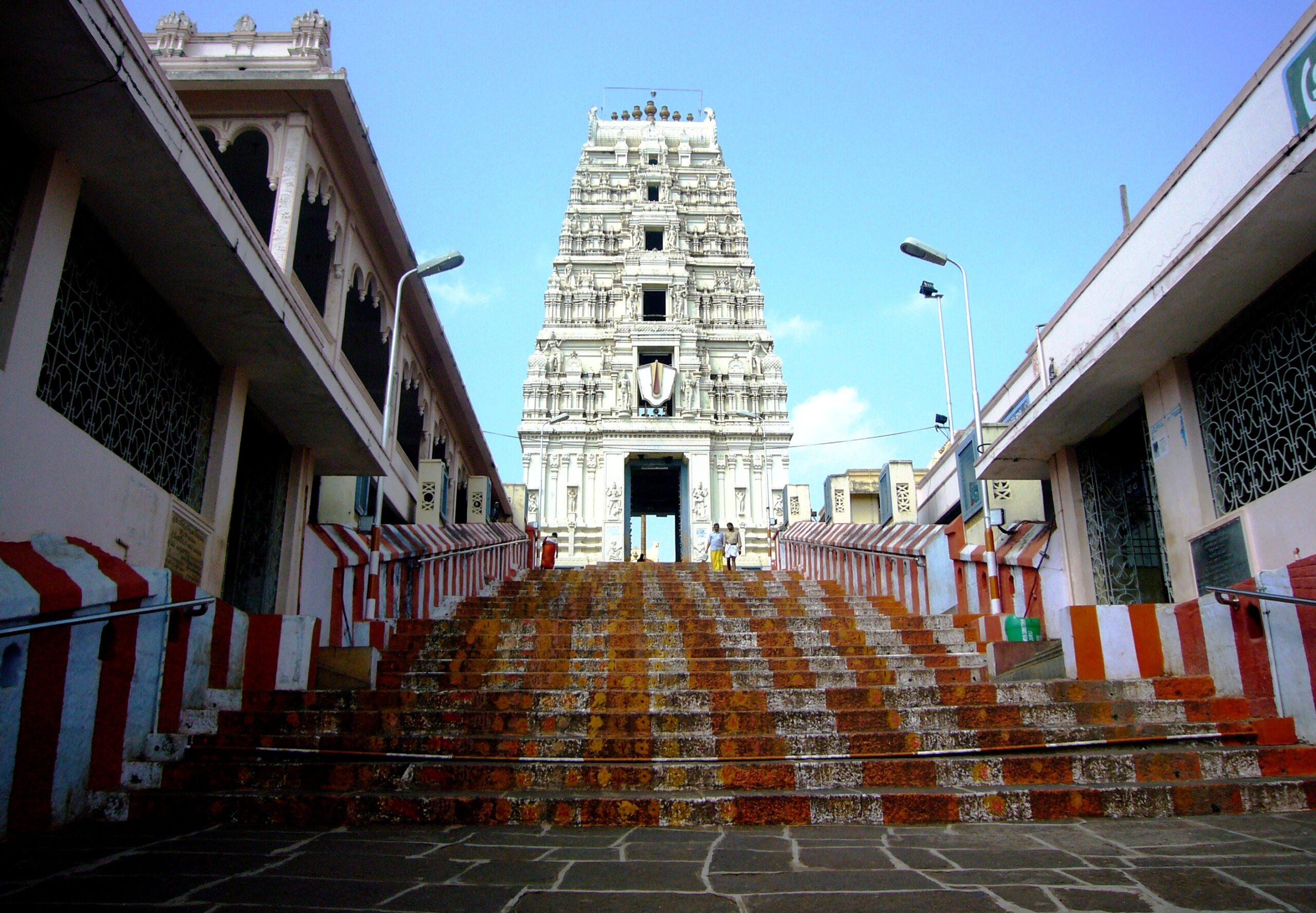
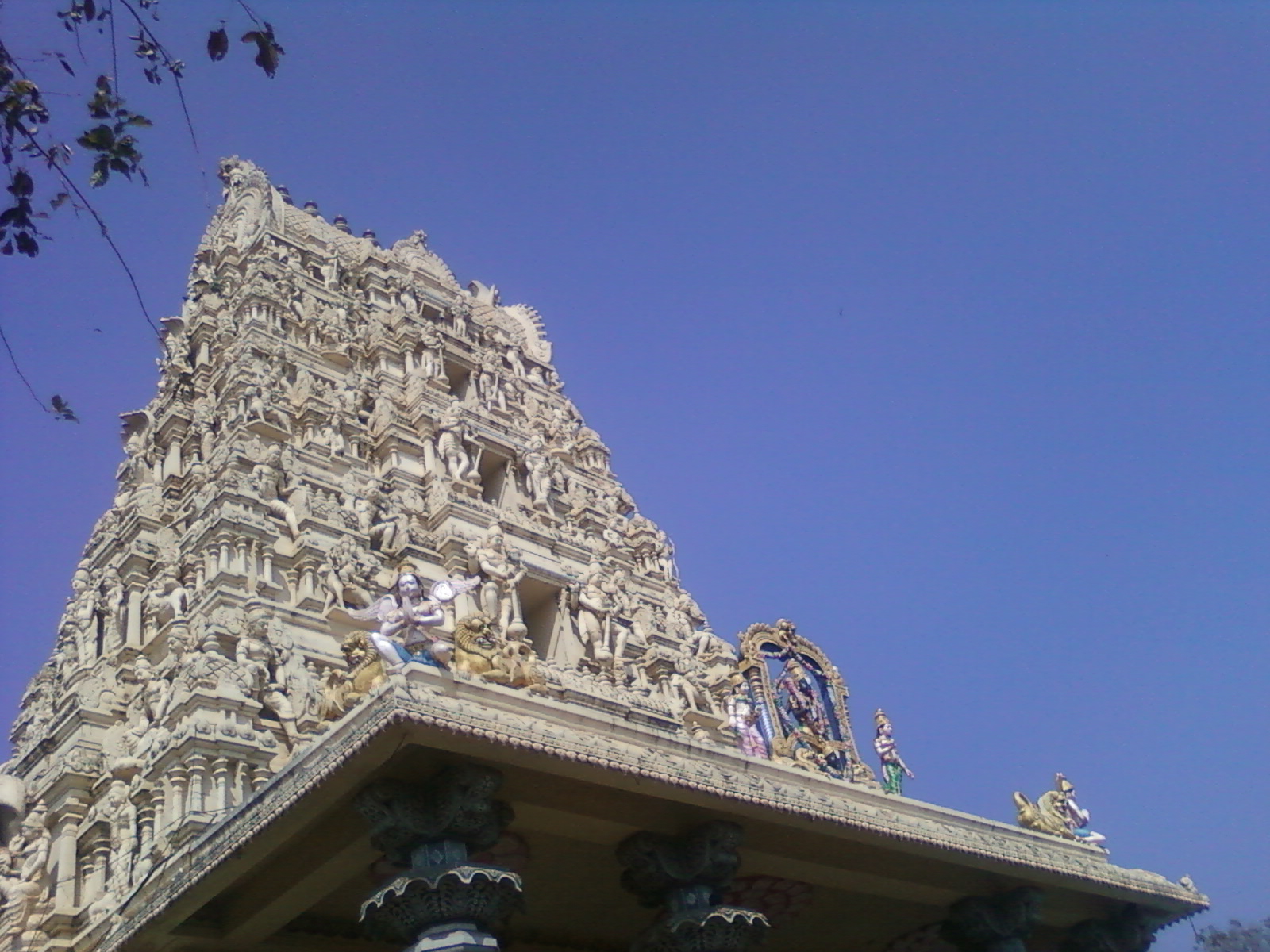
East gopuram hero: iMahesh, CC BY-SA 4.0. Photos sourced from Wikimedia Commons; the historical photos may not show recent renovations.
The Sacred Chronicles of Dwaraka Tirumala
A heritage and devotional guide to Sri Venkateswara Swamy Temple, Dwaraka Tirumala (Chinna Tirupati), Andhra Pradesh. This guide distinguishes temple traditions and sacred legends from independently documented history. A traditional narrative is valuable as religious heritage even when its events cannot be dated by historians.
1. Dwaraka Tirumala: the sacred hill and its name
Dwaraka Tirumala is a celebrated Vaishnava pilgrimage centre in the Eluru region of Andhra Pradesh. Devotees affectionately call it Chinna Tirupati, or Little Tirupati, because of its dedication to Sri Venkateswara Swamy and its importance to families who seek the Lord's blessings. The name “Dwaraka” is traditionally associated with a sage called Dwaraka; “Tirumala” evokes the sacred hill and the worship of Lord Venkateswara. The temple is not a branch of Tirumala Tirupati Devasthanams: visitors should consult the Dwaraka Tirumala Devasthanam and Andhra Pradesh Endowments authorities for its own rules and services.
The approach to the temple is part of its cultural setting. Generations of devotees have travelled here for worship, family vows, thanksgiving and festival celebrations. The shrine's identity combines a sacred landscape, the distinctive form of its presiding deity, and a living tradition of ritual worship. The precise age of every structure and the date of the earliest worship require evidence from inscriptions, archival records and archaeological studies; devotional antiquity should not be converted into an unsupported calendar date.
2. The legend of Sage Dwaraka and the Swayambhu Lord
Traditional sacred narrative. In the account most closely associated with the temple's origins, Sage Dwaraka practised deep austerities and prayer in devotion to Lord Vishnu. The landscape is remembered as a place of spiritual concentration, where the sage sought the grace of Sri Venkateswara. The Lord's presence is associated with a valmikam, or anthill, and the deity is revered as Swayambhu—self-manifested rather than originally fashioned as an ordinary sculptural image.
The story places the sage's devotion before the later fame of the temple. It expresses an enduring theme of Hindu sacred geography: a place becomes recognized as a kshetra, a holy site, through the perceived manifestation of divine presence and the worship of devotees. The anthill is significant within the tradition because it links the natural world to the revelation of the deity. It should not be treated as proof of an independently dated archaeological discovery.
For a family reading the story, the central message is patience in prayer and humility in seeking divine grace. For a historian, it is an account of how the community explains the shrine's name and sanctity. Both interpretations can be presented respectfully without confusing their different forms of evidence.
3. The two forms of Sri Venkateswara in one sanctum
Among the shrine's most distinctive features is the traditional description of two forms of Sri Venkateswara worshipped beneath one vimana. The self-manifested image is described as revealing the upper part of the Lord, while a complete standing image allows devotees to worship the divine form including the feet. The arrangement is central to the temple's identity and deserves careful explanation in any visitor guide.
According to the temple tradition, the lower portion of the Swayambhu form extends into the earth. A local explanation connects the Lord's sacred feet with Bali Chakravarthi in Patala, the netherworld of Hindu cosmology. Devotees regard the feet of Vishnu as objects of special reverence, expressing surrender, refuge and divine grace. The complete image is traditionally said to have been installed so worshippers could contemplate the Lord's feet as well as the self-manifested form.
The installation of the complete image is commonly attributed in local tradition to Sri Ramanujacharya, the influential Vaishnava teacher. This is an important traditional attribution, but an exact date and a claim of personal involvement should not be asserted as established historical fact without inscriptional or contemporary textual evidence.
The four aims of life
Some traditional explanations interpret the two forms in relation to the four purusharthas: dharma (righteous living), artha (responsible material well-being), kama (legitimate human aspirations), and moksha (spiritual liberation). The smaller self-manifested form is associated with moksha, while the complete image is associated with the other three aims. This is a devotional interpretation, not a measurable historical claim. It offers a meaningful way to understand how everyday responsibilities and the search for liberation coexist in Hindu religious thought.
4. Bali Chakravarthi, Vamana and the Lord's feet
Wider Vaishnava background and local interpretation. Bali Chakravarthi is well known in the sacred narrative of Lord Vishnu's Vamana incarnation. Vishnu appears as a young Brahmin and requests three steps of land from Bali. In the familiar account, the Lord then assumes a cosmic form, encompassing the worlds in his strides. Bali's encounter with the Lord becomes a story about generosity, pride, surrender and divine grace.
Dwaraka Tirumala's local tradition invokes Bali in explaining the invisible lower portion of the Swayambhu deity and the location of the sacred feet. It is important to distinguish the broad Vamana–Bali story, known in Vaishnava religious literature, from this particular temple-specific interpretation. They are related religious narratives, not automatically a single historical event.
5. Aja Maharaja and Princess Indumati
Local devotional legend. Aja Maharaja is remembered in the lineage of the Raghu dynasty as the father of Dasharatha and grandfather of Lord Rama. A story associated with Dwaraka Tirumala recounts Aja's journey to the swayamvara of Princess Indumati. On the way, he is said to have passed the sacred place without stopping to worship. Indumati chose Aja as her husband, but the marriage selection led to opposition and conflict from rival kings.
In the local retelling, Aja remembered that he had neglected his devotions during his journey. He offered prayer to Lord Venkateswara and sought divine assistance. The conflict was resolved, and the legend became a reminder to remember the divine even amid celebrations, ambition and worldly obligations. Its emotional power comes from the king's humility: a ruler who can face rivals must also acknowledge the need for grace.
Some secondary heritage descriptions associate this legend with the Brahma Purana. Until the exact passage, edition and translation are identified, the website should describe that association as a reported attribution rather than give an invented chapter or verse number. The story of Aja and Indumati also appears in wider Sanskrit literary tradition; literary parallels do not by themselves authenticate the specific local pilgrimage episode.
6. Sri Ramanujacharya and the Vaishnava tradition
Sri Ramanujacharya is one of the most influential theologians of Sri Vaishnavism. The Dwaraka Tirumala tradition associates him with the complete standing image of Sri Venkateswara. This association highlights the importance of the Lord's feet, surrender to Narayana and orderly temple worship. A detailed historical chapter should compare the local tradition with dated biographies, inscriptions and Devasthanam records before assigning a particular construction or installation to Ramanujacharya personally.
7. Temple architecture and the sacred precinct
The temple is known for its gopurams, sanctum, mandapas and subsidiary shrines. Public tourism descriptions mention a prominent south-facing multi-storeyed rajagopuram, a vimana and later expansions of the temple's public spaces. These architectural elements guide pilgrims from the outer precinct toward the inner sanctum. The gateway announces entry into a sacred space; mandapas support gathering and ceremonial activity; and the sanctum focuses worship upon the presiding deity.
Architecture should be documented with current, licensed photographs, plans where permitted, and accurate captions. It is especially important not to claim that every visible structure belongs to the same period. Renovations, additions and repairs may have occurred at different times. A rigorous chronology would need inscriptions, endowment records and specialist architectural research.
8. Sacred waters and the landscape of pilgrimage
Accounts of the local sacred geography refer to Swamyvari Pushkarini, also associated with Narasimha Sagar or Kumara Tirtha, and other named tirthas in the wider tradition. Water bodies in Hindu pilgrimage often carry symbolic meanings of purification, renewal and preparation for worship. Names and traditional associations should be preserved, but present-day access and bathing permissions must be checked directly with the temple administration before visitors are encouraged to enter any water body.
9. Brahmotsavam and the living festival tradition
Brahmotsavam is among the major festival traditions associated with the shrine. Festival accounts describe ceremonial flag-hoisting (dhwajarohanam), processional worship on different vahanas, sacred bathing or chakra snanam, and the concluding lowering of the flag (dhwajavarohanam). The celebrations bring the deity's presence into the wider devotional community through processions, music, offerings and collective prayer.
Each observance has a distinctive symbolic role. Flag-hoisting marks the formal beginning of festivities. Processional vehicles communicate different divine associations through ritual imagery. Chakra Snanam forms part of the concluding ceremonial sequence, while the final observances mark the festival's close. Exact dates, order, eligibility, ticketing and routes can vary and must be verified against the Devasthanam's current official festival notice.
10. Kalyanotsavam, archana and devotional offerings
Vaishnava temple worship includes a rich vocabulary of prayers, offerings and celebrations. Kalyanotsavam represents the ceremonial divine wedding and evokes the blessings of the divine couple. Archana generally refers to worship with recitation of the deity's names. Flowers, lamps, food offerings and Vedic recitation are important across many temple traditions. These descriptions explain the religious meaning of rituals; they do not establish that every named seva is currently sold or scheduled at Dwaraka Tirumala.
Visitors should consult the Devasthanam or the Andhra Pradesh Endowments Department's official Temple Management System for current seva availability, fees and participation rules. KalyanRaj is an independent hospitality website and must not present itself as the issuer of official temple tickets.
11. Why families call the shrine Chinna Tirupati
“Chinna Tirupati” expresses a devotional relationship rather than an assertion that the two temple administrations are the same. For many families, the name communicates the familiarity of worshipping Lord Venkateswara at a major regional shrine. Pilgrims may visit for thanksgiving, marriage-related prayers, children's milestones and other family occasions. Their practices and motivations are part of the living history of the temple and deserve documentation through properly attributed oral histories and interviews.
12. How to read temple history responsibly
Three kinds of evidence belong in a responsible heritage guide. Documented history uses dated inscriptions, government gazetteers, archival records and architectural scholarship. Sacred tradition preserves the community's devotional explanations of the shrine, including the stories of Sage Dwaraka, the Swayambhu Lord, Bali and Aja Maharaja. Living practice describes the rituals and festivals observed by today's devotees. Each is important, but they answer different questions.
Research and verification notes: Useful starting points include the Government of India's Ministry of Tourism destination material, Andhra Pradesh Tourism publications, the C. P. R. Environmental Education Centre's temple heritage descriptions, historical Census of India publications, and current Devasthanam notices. These are starting points, not a claim that every detail above has been verified against a primary inscription or scripture. A future scholarly edition should add exact publication titles, dates, page numbers and source links to each chapter.
Official services: Andhra Pradesh Temple Management System. The website's pilgrimage guidance is informational and independent of the temple administration.